
Most travellers skip Tottori. That is, frankly, their loss.
Tucked along the Sea of Japan on Japan’s San’in coast, Tottori is one of the country’s least-visited prefectures and one of its most rewarding for food lovers. What it lacks in crowds, it more than makes up for at the table. With a coastline that yields exceptional seafood, mountain spring waters that nourish its farms and livestock, and generations of agricultural know-how, Tottori has quietly earned a reputation as one of Japan’s great gourmet destinations.
Here is what you should be eating when you visit.
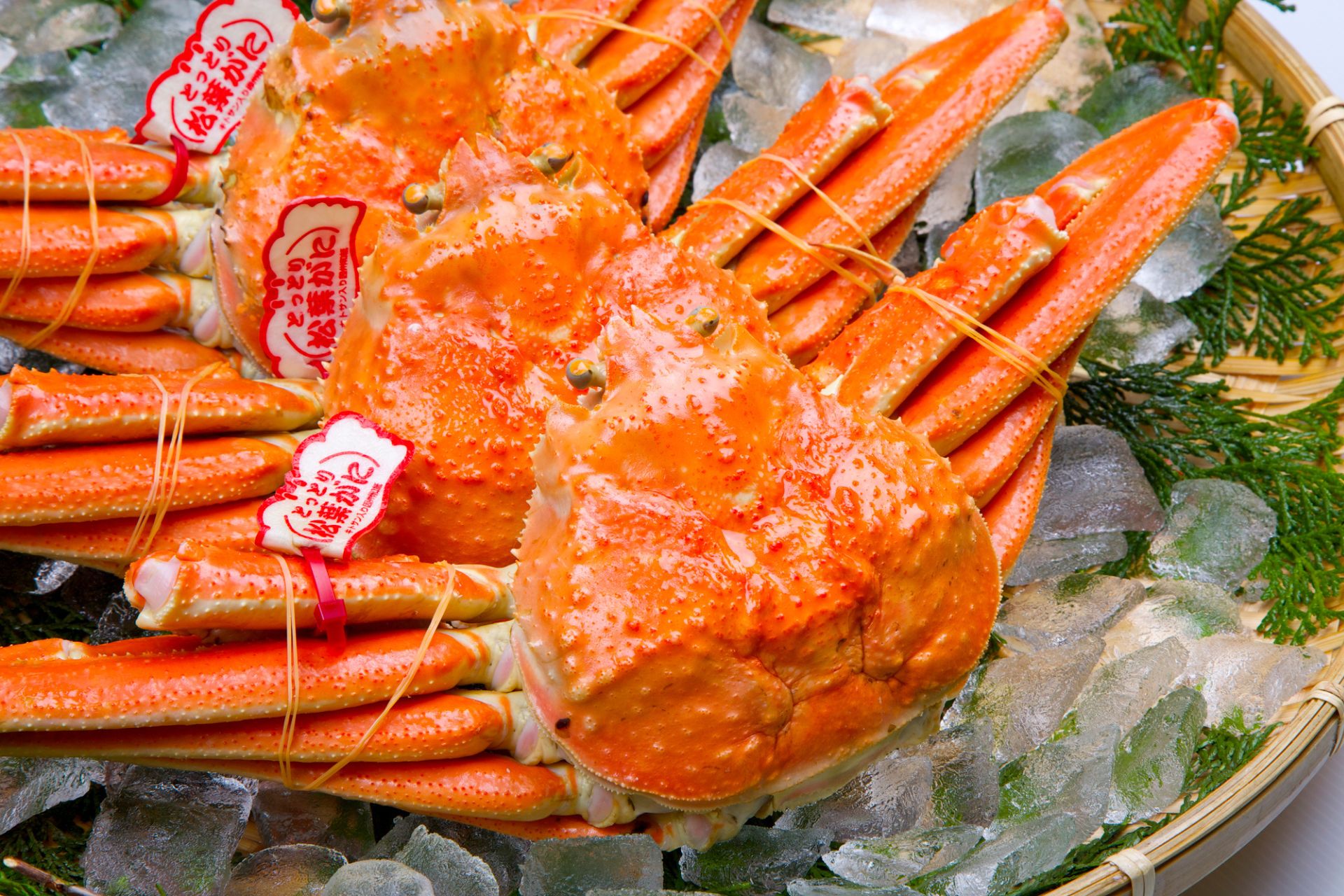
Matsuba Crab: The King of the Tottori Table
Ask anyone in Tottori what to eat first, and the answer will be the same: Matsuba Crab.
A type of snow crab harvested from the Sea of Japan between November and March, Matsuba Crab is characterised by its bumpy shell and long, slender legs. What sets it apart from other crabs is the density and quality of its meat – sweeter, firmer, and more flavourful than most crabs of comparable size. The cold, plankton-rich waters off Tottori’s coast create ideal conditions for the crabs to thrive, and the results speak for themselves. Tottori is Japan’s top crab-producing prefecture by a significant margin, hauling in over three times the catch of its nearest competitor.
Quality here does not stop at quantity. In recent years, a premium brand called Itsukiboshi has been established to recognise only the finest specimens: crabs with a shell length exceeding 13.5 centimetres, a weight of at least 1.2 kilograms, perfectly intact legs, a vivid colour, and firm, plump flesh. These are among the most prized crabs in all of Japan.
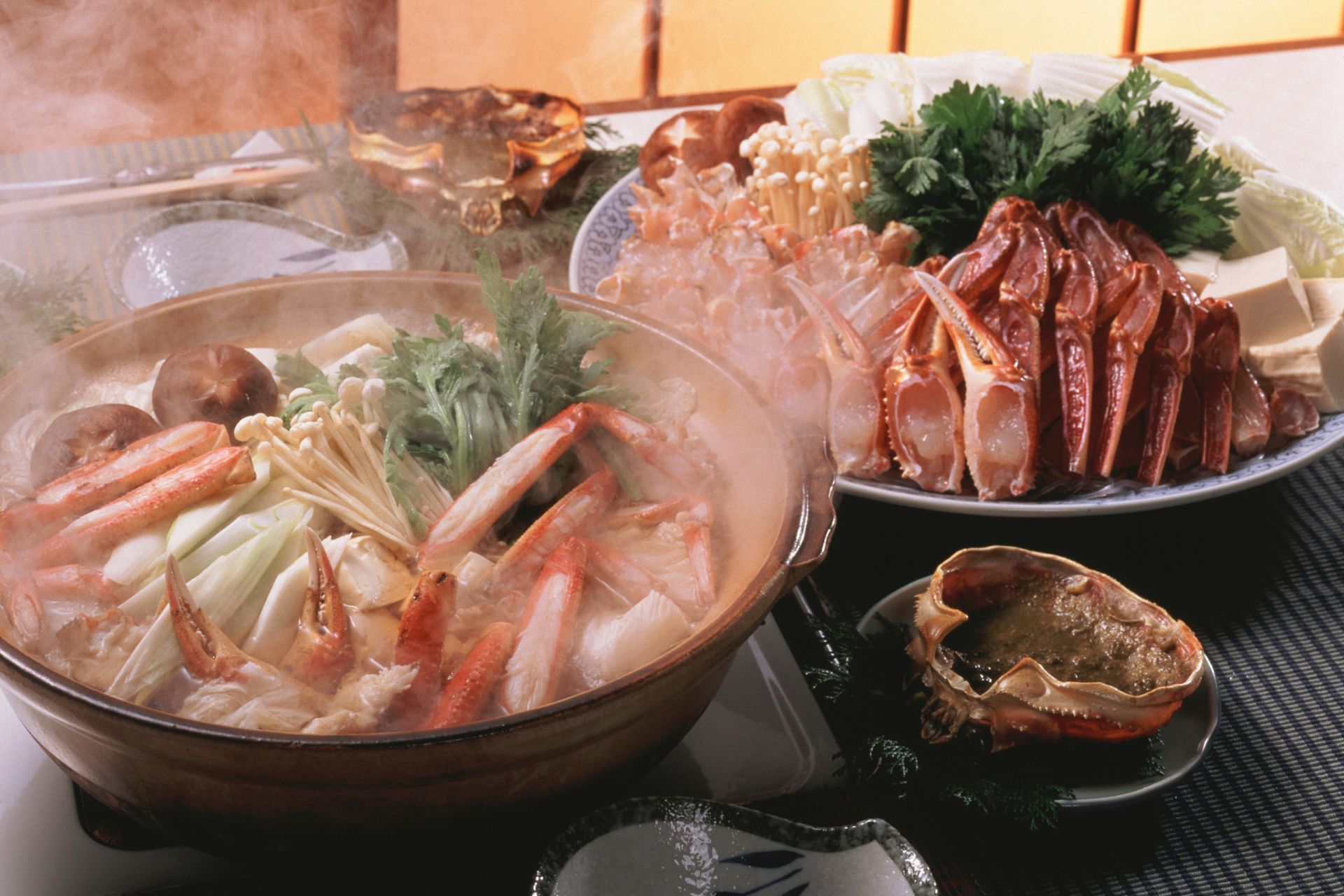
Matsuba Crab is most traditionally enjoyed simply boiled, which lets the natural sweetness of the meat shine through. But across Tottori’s restaurants, you will also find it prepared as crab hotpot, sushi, donburi rice bowls, miso soup, and fresh sashimi. However you choose to eat it, this is a dish that defines the prefecture.
Best time to visit for Matsuba Crab: November to March. If you are planning a winter trip to Tottori or the San’in region, this alone is reason enough to go.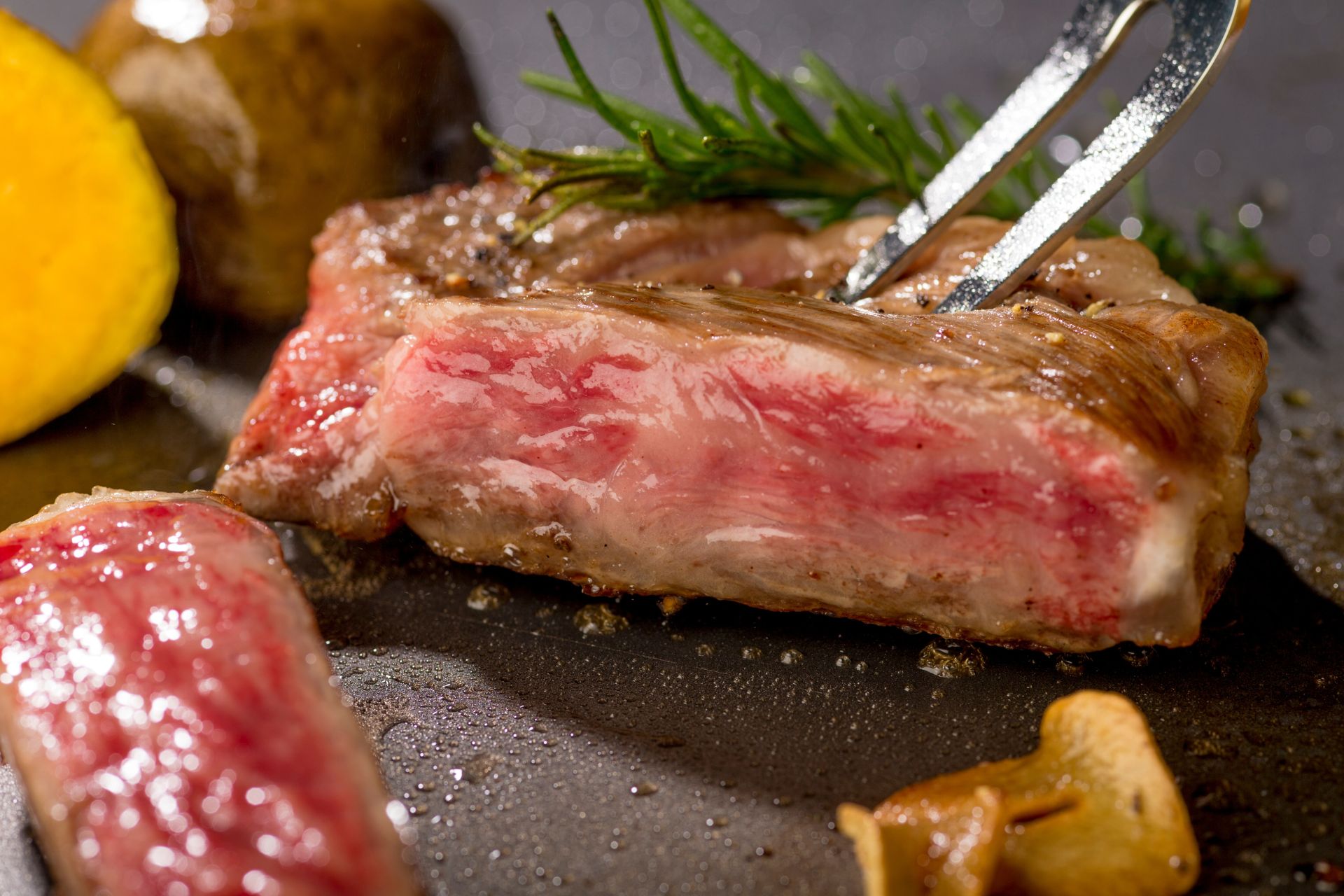
Tottori Wagyu: Japan’s Most Underrated Beef
Wagyu is now famous worldwide, but few people know that its origins trace back to Tottori.
Most premium Japanese wagyu breeds can trace their lineage to a common ancestor: Ketaka-go, a Tottori bull that won the inaugural “Wagyu Olympics” in 1966. Tottori has been raising cattle since the Edo period (1603 to 1868), and that centuries-long tradition of careful, attentive husbandry is still very much alive today. The cattle are raised in stress-free environments, fed with clean natural spring water, and allowed to develop slowly. All of this contributes to the quality of the meat.
The result is a beef with excellent marbling, impressive fat quality, and a tenderness that is hard to describe until you have tasted it. Tottori Wagyu is notably high in oleic acid, an unsaturated fatty acid that gives the beef its characteristic melt-in-the-mouth quality. The finest cuts, with an oleic acid content of 55% and above, are certified under the exclusive Tottori Wagyu Olein 55 label, a mark of the very highest standard. In 2017, Tottori Wagyu was recognised as the best quality beef in Japan.
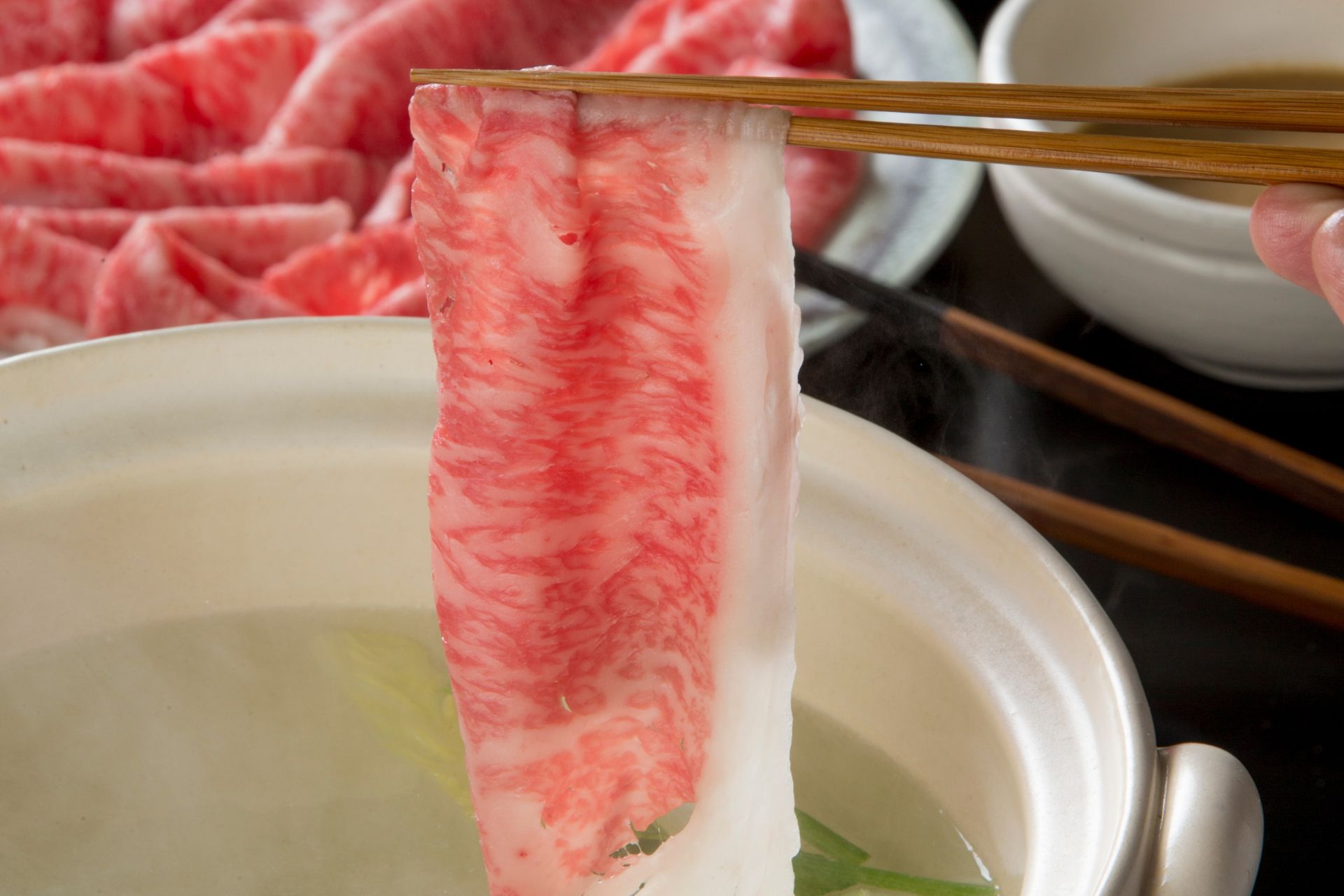
While steak and teppanyaki are popular ways to enjoy this beef, the locals tend to favour shabu shabu, a hot pot dish where thin slices of beef are briefly swirled through a light broth. This method, which originated in Tottori, lets the natural richness of the wagyu come through without distraction. It is a wonderfully honest way to appreciate exceptional beef.
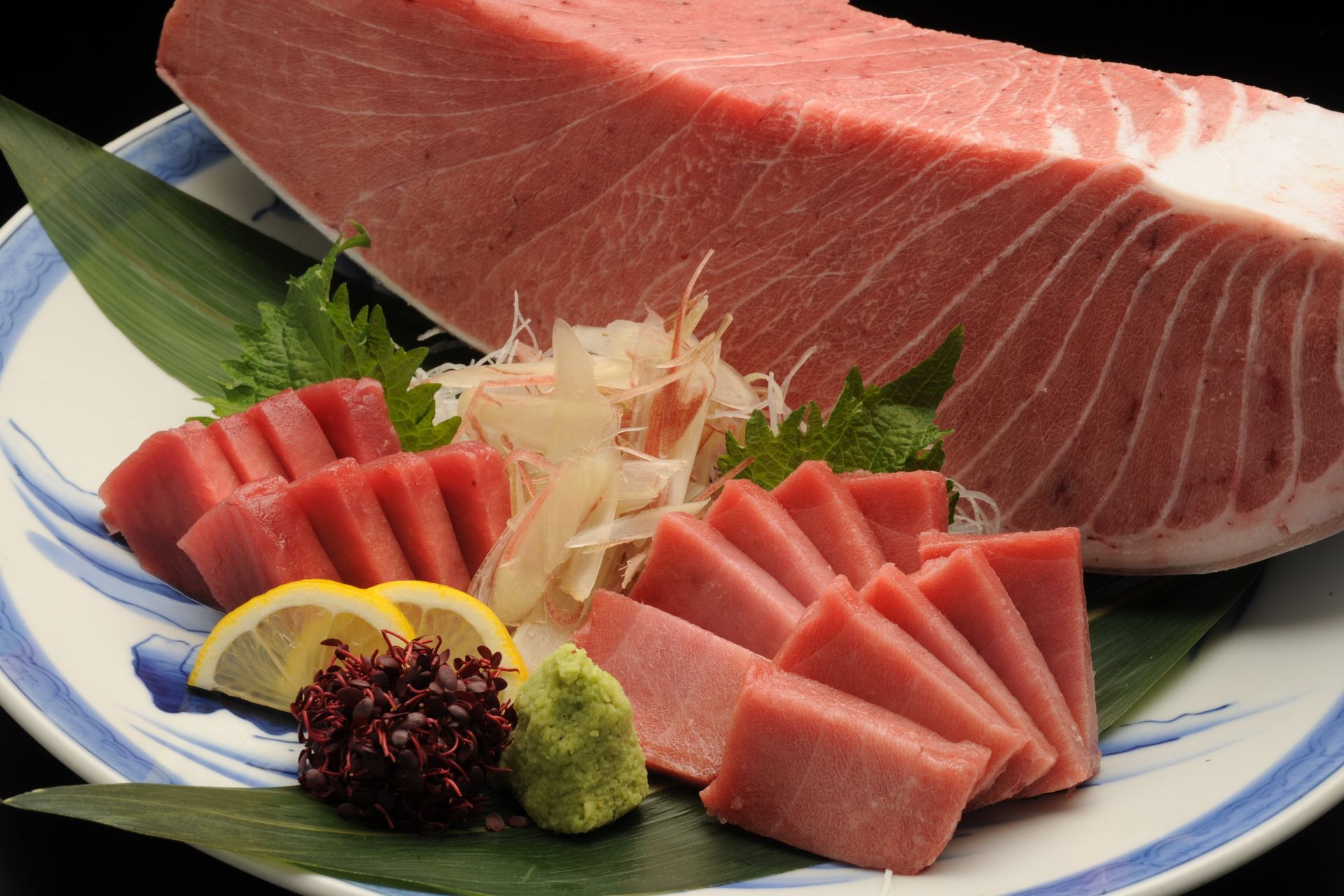
Bluefin Tuna: Fresh from the Sea of Japan
Tottori’s western coast is home to Sakaiminato Port, which has ranked as Japan’s top landing port for bluefin tuna almost every year since 2005. The quality of the water, the efficiency of the port’s operations, and the speed with which the fish is processed and transported all contribute to the exceptional freshness of the tuna that passes through here.
Bluefin tuna is classified as large tuna exceeding 90 centimetres in length and 15 kilograms in weight. It is caught off Tottori’s coast between June and August, and the fresh catch is shipped quickly to ensure it arrives in prime condition.
For those who appreciate the fish in its purest form, the best way to enjoy Sakaiminato’s bluefin tuna is as sashimi or sushi. Lean, medium-fatty, and fatty cuts each offer a different dimension of flavour and richness. For something more local and unusual, try Sakaiminato Bluefin Tuna Ramen, where slices of the fish are laid over noodles in a broth made by simmering the roasted head of the tuna itself.
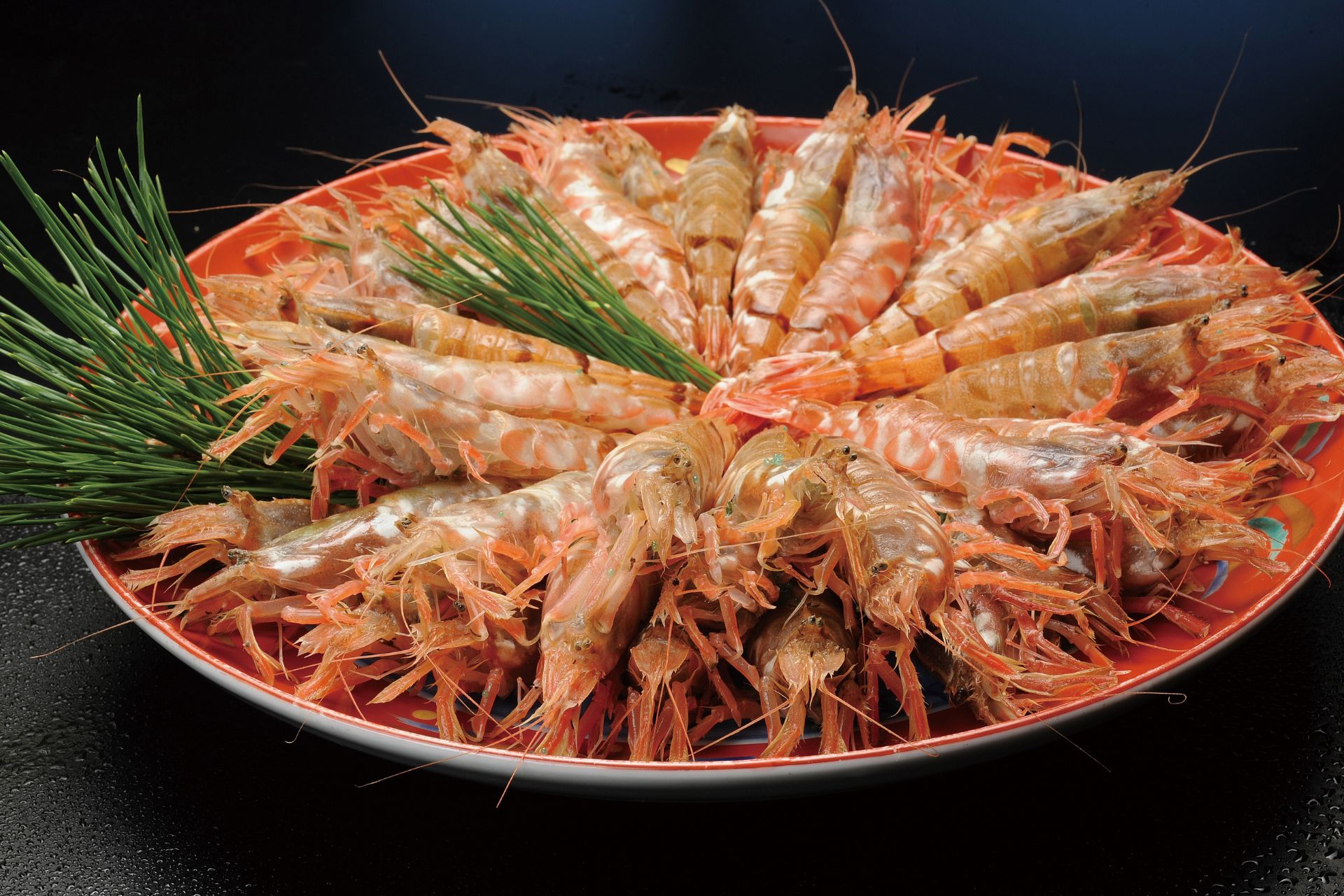
Mosaebi: The Shrimp Worth Seeking Out
Mosaebi may not be as famous as Matsuba Crab, but among those who know Tottori’s food scene well, it is held in very high regard.
This sweet shrimp is caught from the sea floor between September and May, and its flavour surpasses even the well-known amaebi (sweet shrimp) in richness and sweetness. It can be enjoyed grilled with salt, cooked into miso soup, or eaten raw as sashimi. Between March and May, female Mosaebi carry roe, adding yet another layer of flavour and texture.
What makes Mosaebi particularly special is how rarely it can be found outside of Tottori. The shrimp spoils quickly after being caught, which means it was historically only consumed by fishermen at sea right after the haul. While modern preservation methods have extended its shelf life slightly, tasting Mosaebi at its freshest remains an experience almost entirely reserved for those who visit Tottori itself.
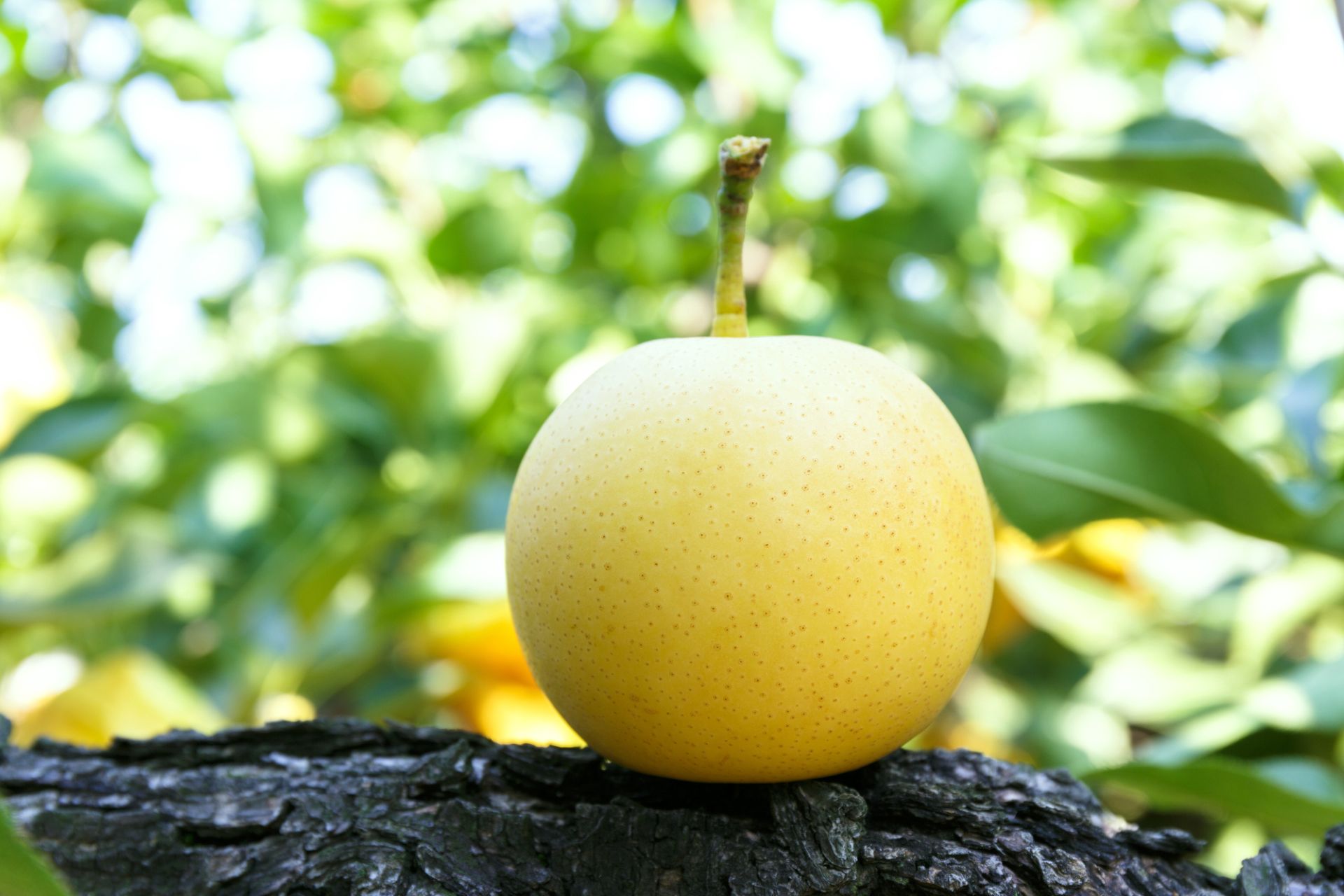
Nijisseiki Pears: Tottori’s Beloved Fruit
Not everything on the Tottori table comes from the sea. The prefecture is equally proud of what grows on its land, and nowhere is that more evident than in its pears.
Tottori is Japan’s largest producer of the Nijisseiki pear, also known as the 20th Century pear. First introduced to the prefecture in 1904, the variety has been cultivated here for over a century, and the Nijisseiki blossom is today Tottori’s official prefectural flower. The pears are known for their crisp texture, refreshing juiciness, and a clean, balanced sweetness with a light touch of acidity.
Tottori’s affection for the Nijisseiki runs deep. Beyond eating them fresh, locals and visitors alike enjoy them in soft-serve ice cream, parfaits, cakes, and sweets. The Tottori Nijisseiki Pear Museum in Kurayoshi, the only museum in Japan dedicated to the Asian pear, is a telling sign of how beloved this fruit is here. During the harvest season from late August to October, pear-picking at local farms is also well worth adding to your itinerary.
Tottori: A Destination Worth Discovering
Tottori is a prefecture that rewards the curious traveller. The food here is a natural extension of its landscape, shaped by clean coastal waters, mountain spring water, fertile soil, and a genuine pride in local produce. Whether you are sitting down to a crab hotpot in winter, grilling thin slices of wagyu in autumn, or eating a pear straight from the tree in late summer, what you are tasting is a place.
Food, of course, is only part of what makes Tottori worth visiting. If you are curious about what else the prefecture has to offer, from its famous sand dunes to Mt Daisen and the stunning Uradome Coast, check out our Tottori travel guide for the full picture.
Follow Me Japan offers tours that take you through this lesser-explored part of Japan, including the San’in region and the best it has to offer. Browse our Japan tour packages or get in touch to start planning your trip to Tottori.