Nature Adventure in Tohoku
- 9 days 8 nights
- May 6, 2027 (Thursday)
- From SGD 8,300
- 9 Days
- Drive
HIGHLIGHTS
• Natural wonders and spring flowers
• Nature trails at Hachimantai, Oirase, Tanesashi Coast, Shirakami Sanchi
• Wide variety of hot springs, including 2 nights of private hot spring
Day 00 (Thu, 06 May’27)
Assemble at Singapore Changi Airport for flight to Haneda
Day 01 (Fri, 07 May’27)
Singapore – Haneda – Shonai – Tsuruoka
(-/-/Dinner)
Hotel: Shonai Hotel Suiden Terrasse (Hot spring) or similar
(Car pick up at Shonai Airport)
Touching down in Shonai Airport, make your first stop Kamo Aquarium, home to the world’s largest collection of jellyfish. Backlit by colourful lights, the numerous species of jellyfish on display are utterly mesmerising to watch, their translucent forms drifting gracefully through the water.
Day 02 (Sat, 08 May’27)
Tsuruoka
(Breakfast/-/Dinner)
Hotel: Shonai Hotel Suiden Terrasse (Hot spring) or similar
The day begins at the Chido Museum, a sprawling open-air cultural complex preserving the history of the Shonai region. Located in Tsuruoka Park, the museum brings together a fascinating collection of traditional buildings, artefacts, and exhibits gathered from around the region.
The iconic Sankyo Warehouses are a striking row of twelve Meiji-era rice storehouses constructed in 1893, their double roofs and zelkova tree windbreaks a testament to the ingenuity of the era. Several buildings now house a rice history museum, a local products centre, and a restaurant.
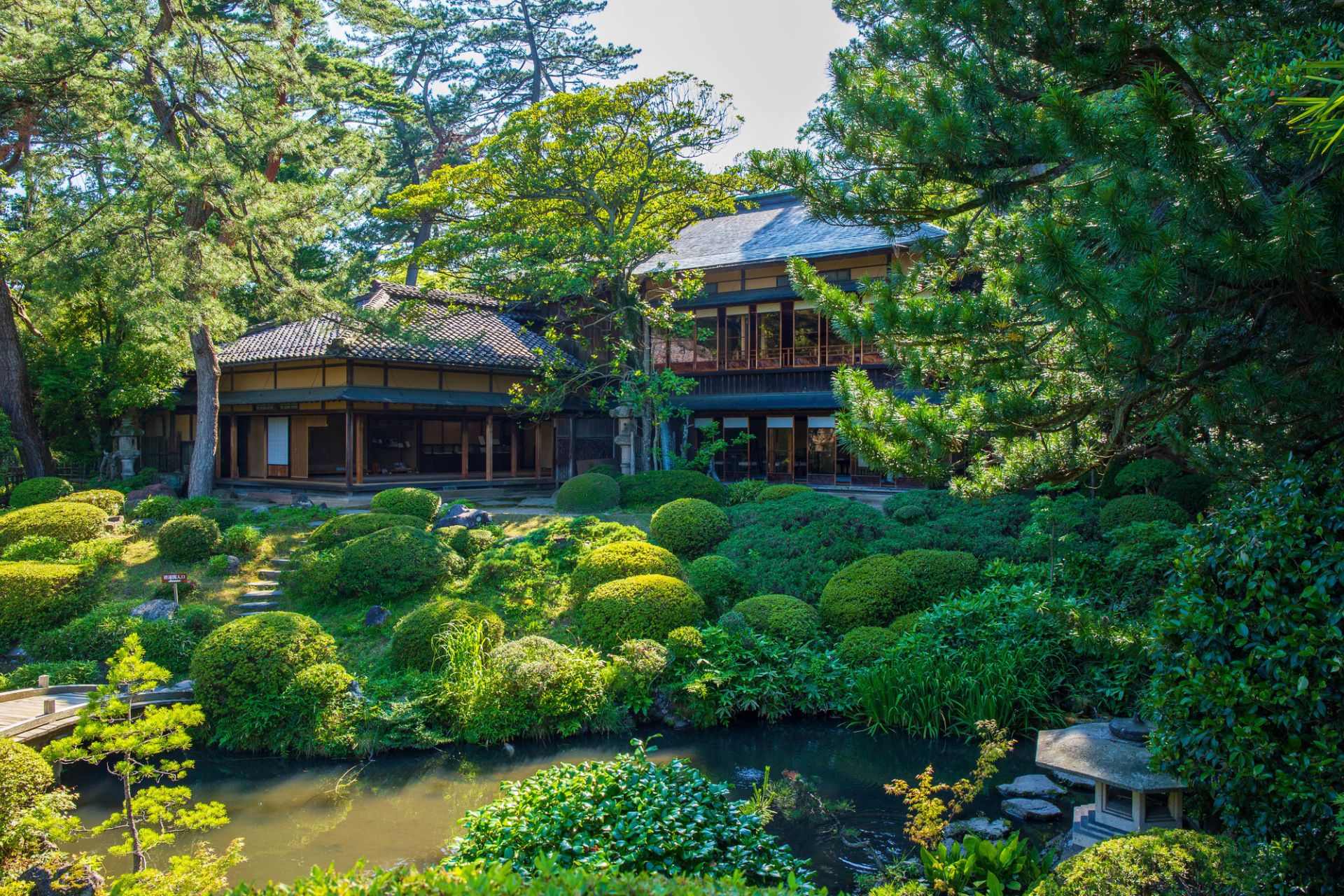
Close the day at the Homma Museum of Art. An art museum established in the post war era to lift the spirits of people through art and culture, the museum is now better known for its beautiful garden and Kyoto-style villa, creating a space where art, nature and history combine.
Day 03 (Sun, 09 May’27)
Tsuruoka – Hanamaki Onsen
(Breakfast/-/Dinner)
Hotel: Hanamaki Onsen Kashoen (Private Hot Spring) or similar
Visit the beautifully preserved town of Kakunodate. Often called the ‘Little Kyoto of Tohoku’, this former castle town and samurai stronghold has changed little since its founding in 1620. The samurai district, which once housed around 80 families, still retains some of the finest examples of samurai architecture in Japan, with several residences open to visitors. Stroll the atmospheric streets at a leisurely pace and soak in a way of life that has endured for centuries.
Day 04 (Mon, 10 May’27)
Hanamaki Onsen
(Breakfast/-/Dinner)
Hotel: Hanamaki Onsen Kashoen (Private Hot Spring) or similar
Option 1:
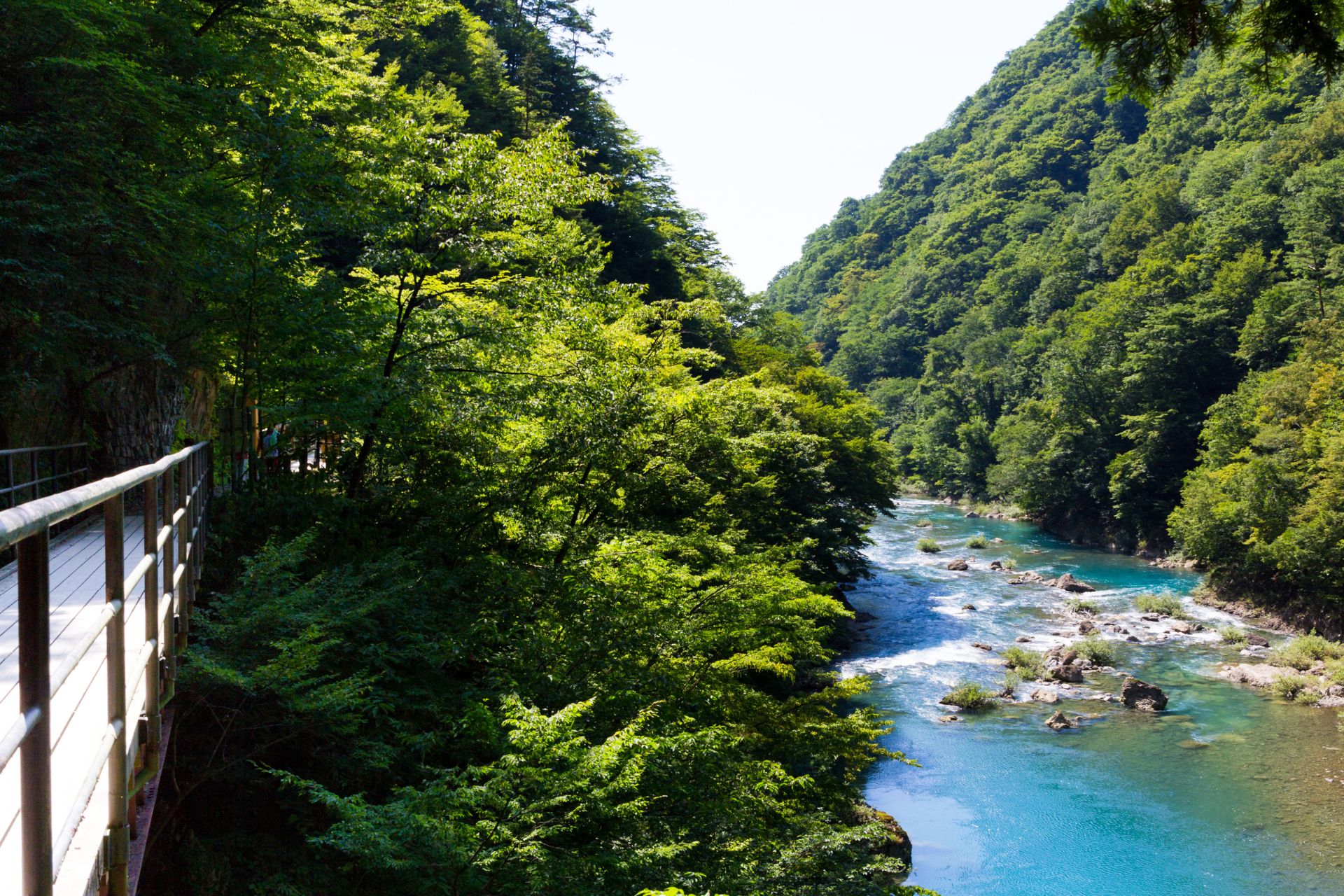
Begin at Dakigaeri Gorge, one of Tohoku’s most beautiful valleys. Its name comes from the words for ‘embrace’ and ‘pass’, a nod to the days when the trail was so narrow that travellers coming from opposite directions had to hug each other to squeeze past. An iridescent blue stream winds through the gorge, framed by lush spring foliage cascading down the surrounding mountains.
Make your way to Lake Tazawa, Japan’s deepest lake at 423.4m. This near-perfectly circular caldera lake shifts in colour from jade green to sapphire blue depending on the depth of light, lending it an almost otherworldly quality. At its western shore stands the golden statue of Tatsuko, a beloved figure from local legend.
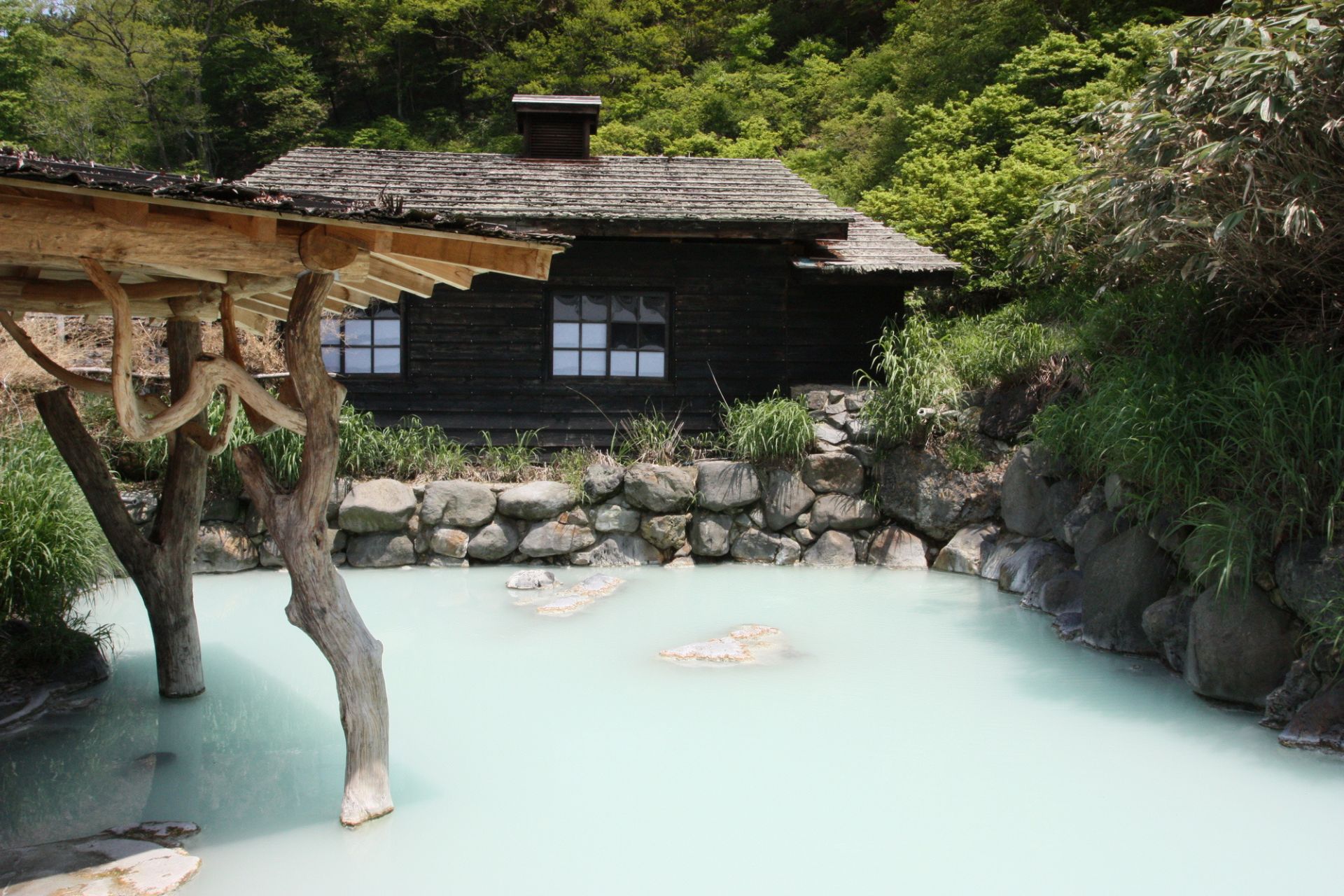
Go onsen-hopping round the seven unique hot springs of Nyuto Onsenkyo. With each bath boasting its own hot spring source, character, and setting, savour the varied mineral properties and tranquil atmospheres of this celebrated onsen village.
Option 2:
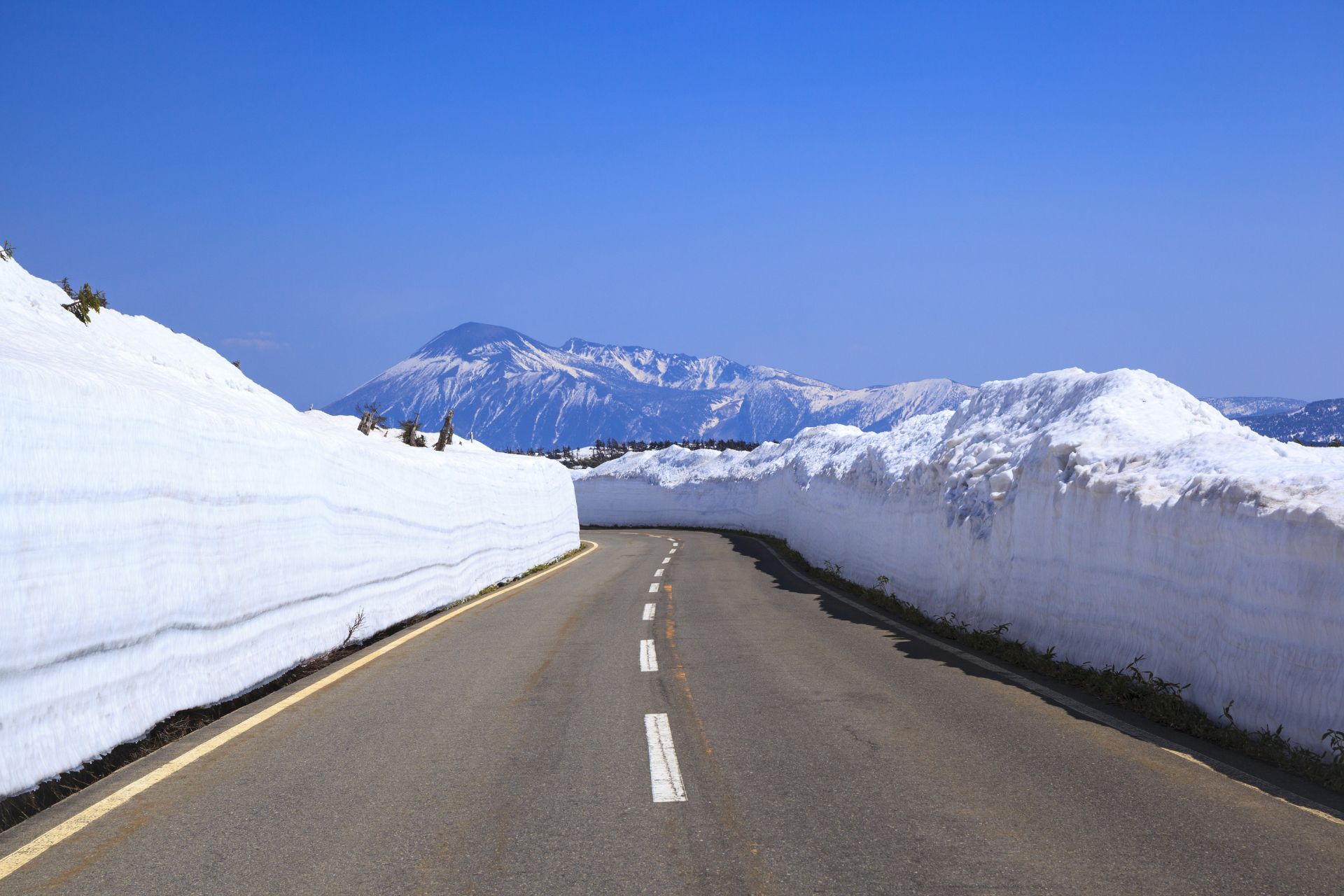
The volcanic plateau of Hachimantai stands at 1,613m above sea level and many scenic roads run through the area, one of which is the Hachimantai Aspite Line. Drive though the scenic mountain road that cuts through walls of snow, offering breathtaking views at every turn.
Continue on to Gozaisho Pond to marvel at more of Hachimantai’s sights on an easy walking trail to Gozaishonuma and its neighbouring Akanuma Pond, also known as Goshikinuma for its waters that shift in colour with the seasons and time of day. Admire the beauty of the ponds and marshlands scattered with skunk cabbage blooming at this time.
Day 05 (Tue, 11 May’27)
Hanamaki Onsen – Oirase
(Breakfast/-/Dinner)
Hotel: Hoshino Resorts Oirase Keiryu Hotel (Hot Spring) or similar
Drop by Nanataki Waterfall, one of Japan’s 100 famous waterfalls. Its name ‘seven waterfalls’ reflects its remarkable structure of seven cascades dropping a combined 60m. Rest in the peaceful park around the waterfall and admire its beauty along with the tranquil settings.
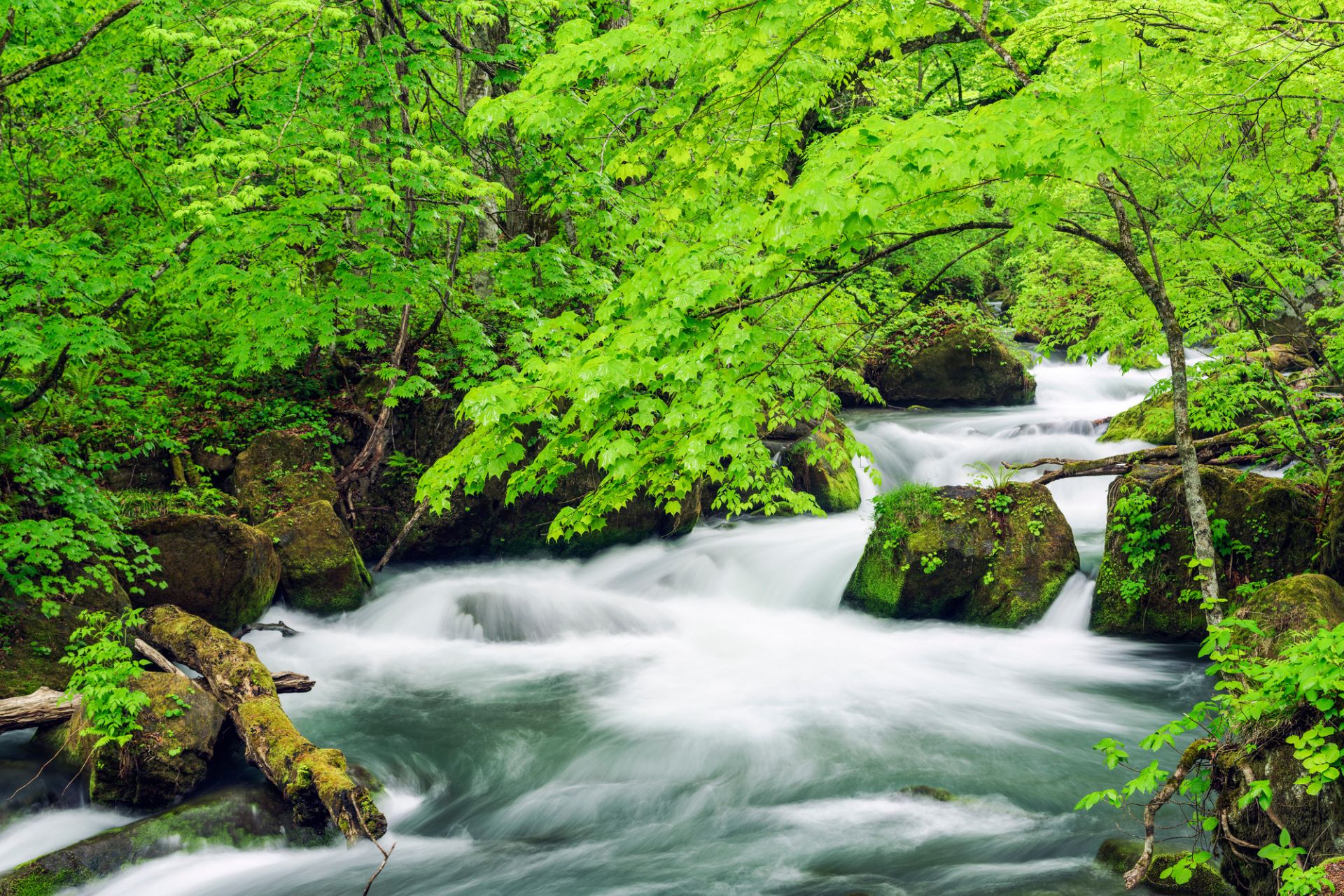
Flowing along the floor of the Oirase Gorge, the Oirase Stream winds through a pristine forest made up of towering white cedar, Japanese beech and maple trees. Take your time to stroll through the forested paths and bask in the fresh air, lovely greens of the foliage and the clear river water as you follow the river round its bends.
Day 06 (Wed, 12 May’27)
Oirase – Hachinohe – Oirase
(Breakfast/-/Dinner)
Hotel: Hoshino Resorts Oirase Keiryu Hotel (Hot Spring) or similar
Head over to the scenic Tanesashi Coast where you can get a fantastic view of the Pacific Ocean from Ashigezaki Observatory. Once a lookout point for the military, the observatory is now a scenic spot from which to admire the rugged coast and seasonal wildflowers and greenery that carpet its nearby lawns.
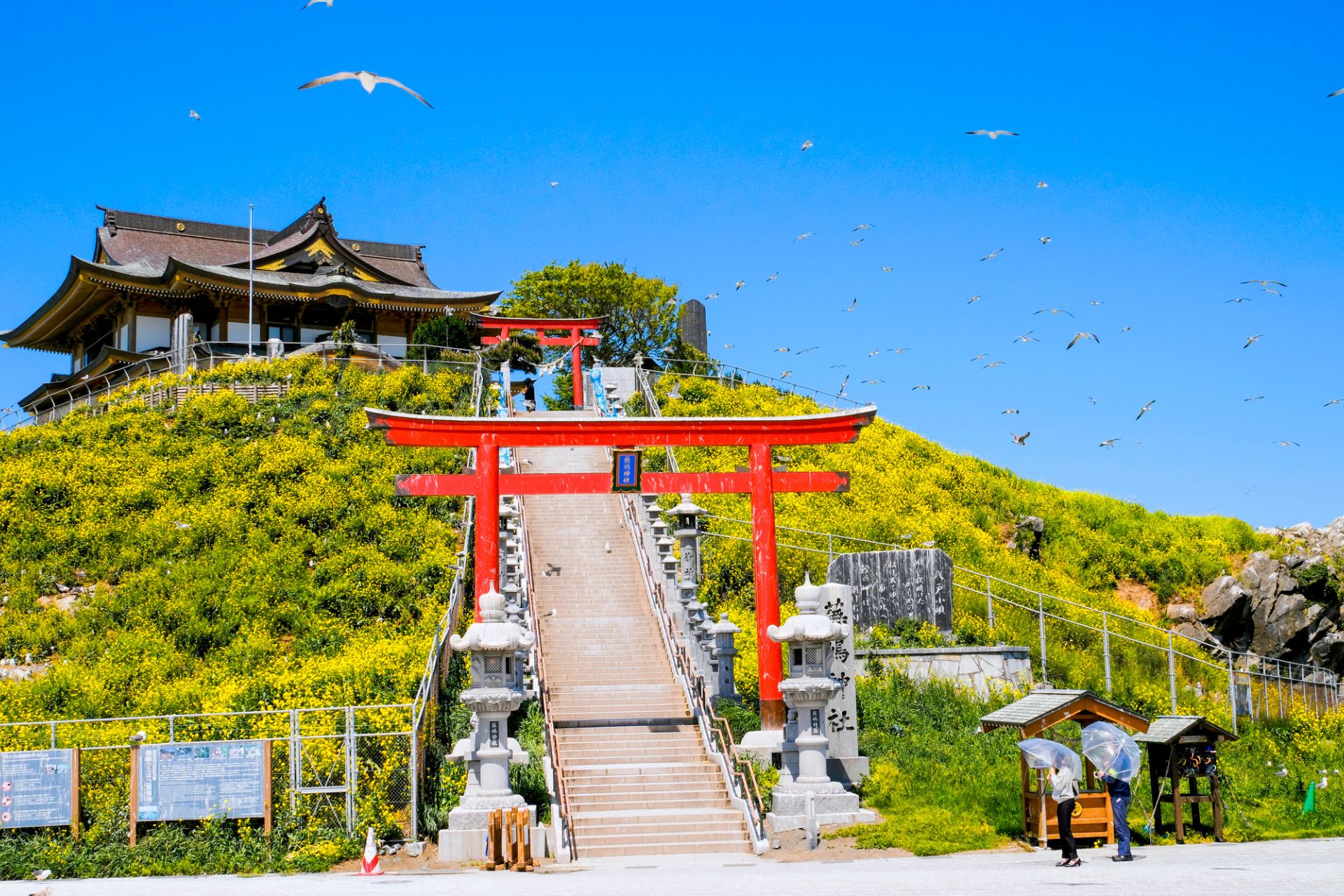
Drop by Kabushima Shrine next to witness thousands of black-tailed seagulls surrounding the small island shrine. Known to bring success for stocks and popularity, the shrine is also an official breeding ground for the seagulls which flock here in spring. Be amazed by the juxtaposition of red shrine, white flying seagulls, and yellow rape blossoms which bloom on the island at this time.
Day 07 (Thu, 13 May’27)
Oirase – Aomori
(Breakfast/-/Dinner)
Hotel: ReLabo Medical Spa & Stay (Hot Spring) or similar
Option 1
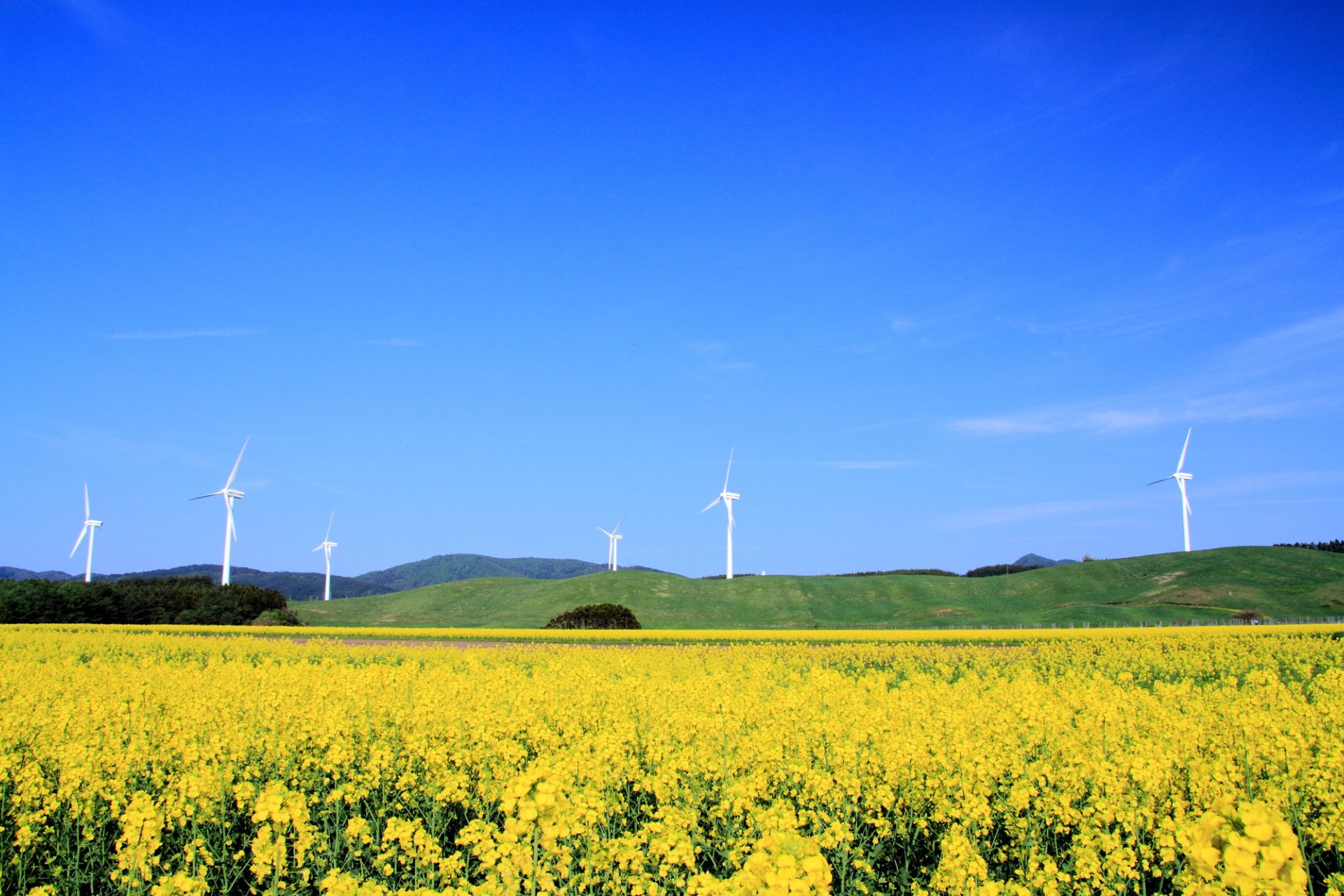
Frolic amongst vast fields of brilliant yellow canola blossoms at the Yokohama Nanohana flower field today. The largest canola field in Japan at 128ha, millions of brilliant yellow flowers stretch across the landscape in a magnificent sea of colour against the backdrop of the surrounding mountains in one of Tohoku’s most iconic spring sights.
Option 2
The largest and most celebrated of the Tsuta Seven Lakes, Tsutanuma is a spring-fed lake enveloped by primeval forests. Its glassy surface perfectly mirrors the surrounding trees on calm days, creating a picture of breathtaking, unspoilt beauty.
Unwind at the legendary Sukayu Onsen, one of Japan’s most celebrated historic bathhouses. Its centrepiece is the vast senninburo, or ‘bath of a thousand people’, a cavernous communal bathing hall built entirely from fragrant Aomori hiba cypress, its timber walls and steaming pools steeped in over 300 years of bathing tradition.
Day 08 (Fri, 14 May’27)
Aomori
(Breakfast/-/-)
Hotel: ReLabo Medical Spa & Stay (Hot Spring) or similar
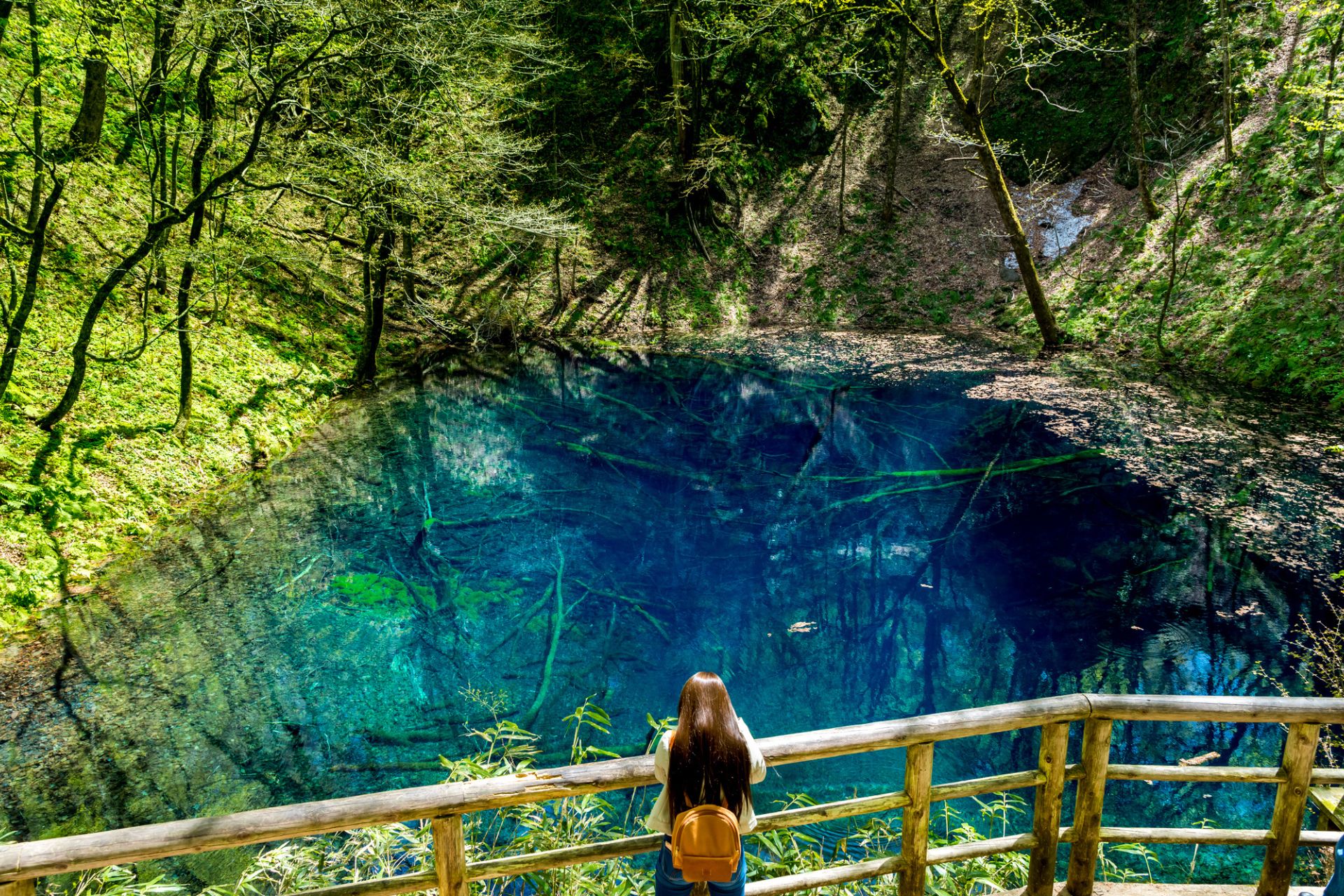
Spend the morning on a trek through the ancient forests of Shirakami Sanchi, a UNESCO World Heritage Site and one of Japan’s last remaining stretches of virgin beech forest. This vast, primeval wilderness of some 130,000ha has remained largely untouched for centuries, and walking through it offers a rare encounter with nature in its most undisturbed form. Within the forest, Juniko, a collection of 33 lakes believed to have formed from an ancient earthquake, offers a trail through some of Shirakami’s most magical scenery. The most celebrated of these is Aoike, a lake of extraordinary clarity whose waters shimmer in vivid shades of blue, visible to a depth of up to 9m.
Option 1:
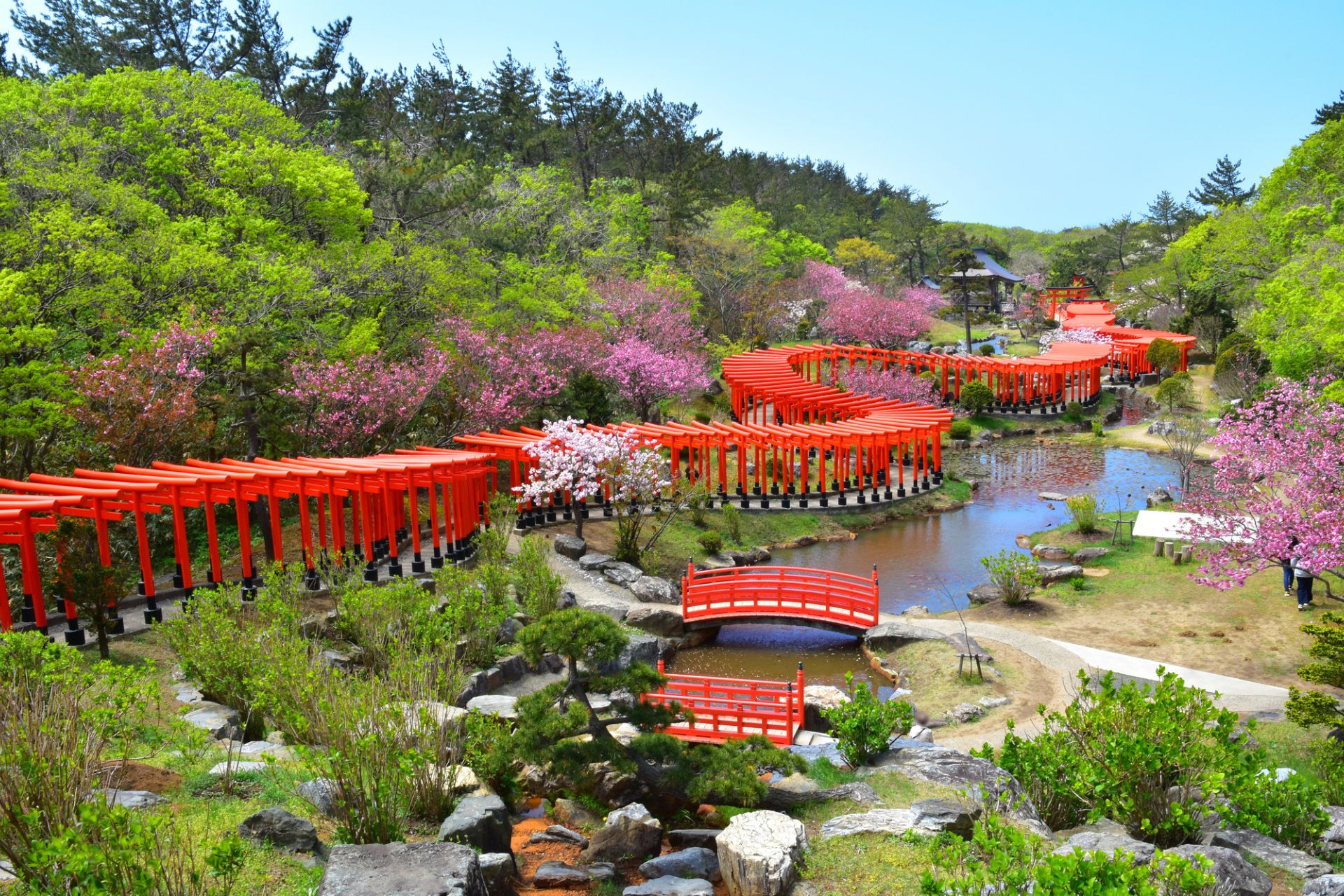
Wander through the picturesque rows of red torii gates at Takayama Inari Shrine later. Revered for its wide variety of blessings, the shrine has also gained fame for its ‘thousand torii gates’, a winding corridor of around 200 vermilion torii leading through a beautiful landscape up to the shrine.
Option 2:
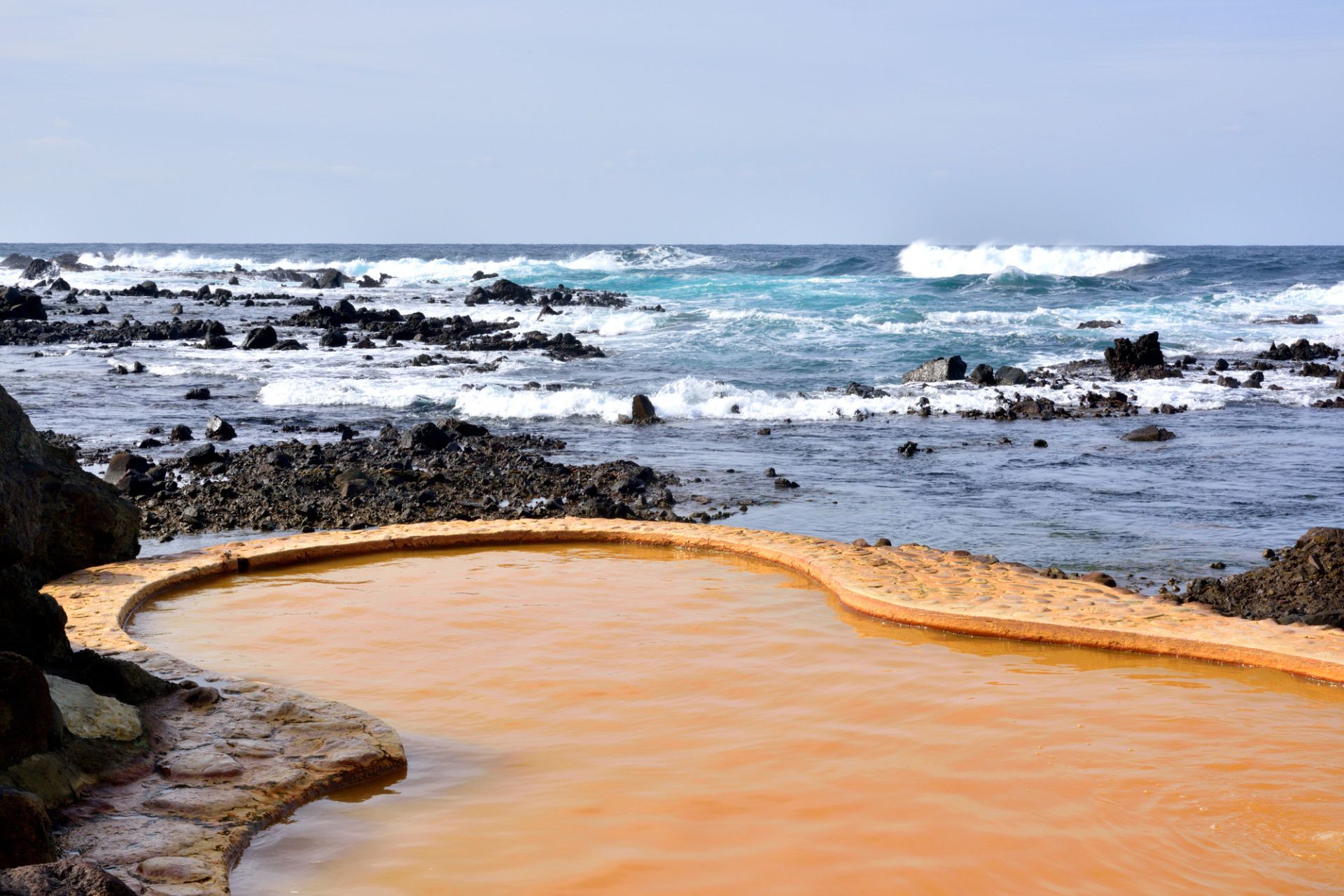
Explore the dramatic Senjojiki Coast, a stretch of rugged, wave-carved shoreline of striking natural beauty, before unwinding at Koganezaki Furofushi Onsen, a celebrated open-air hot spring perched directly above the sea, where the sound of the waves and the warmth of the mineral waters combine for one of the most memorable bathing experiences in all of Japan.
Day 09 (Sat, 15 May’27)
Aomori – Odate-Noshiro – Haneda – Singapore
(Breakfast/-/-)
(Car return at Odate-Noshiro Airport)
Stroll through Fujimi Lake Park, a sprawling 12ha lakeside park set against the serene waters of Tsugaru Fujimi Lake, Aomori’s largest reservoir. The park’s centrepiece is the Tsuru-no-Mai Bridge, Japan’s longest triple-arch wooden bridge at 300m built from centuries-old Aomori hiba cypress. Its three graceful arches are said to represent a pair of cranes in flight, and local legend holds that those who cross it will be blessed with a long life.
Make your way to the Mt Iwaki Canola Fields, where the broad lower slopes of Aomori’s iconic Mt Iwaki are blanketed in brilliant yellow canola blossoms, a bright and cheerful send-off to close your Tohoku adventure.
For the most up-to-date details on our prices and departures, please download our latest information file.
Recommended Tours
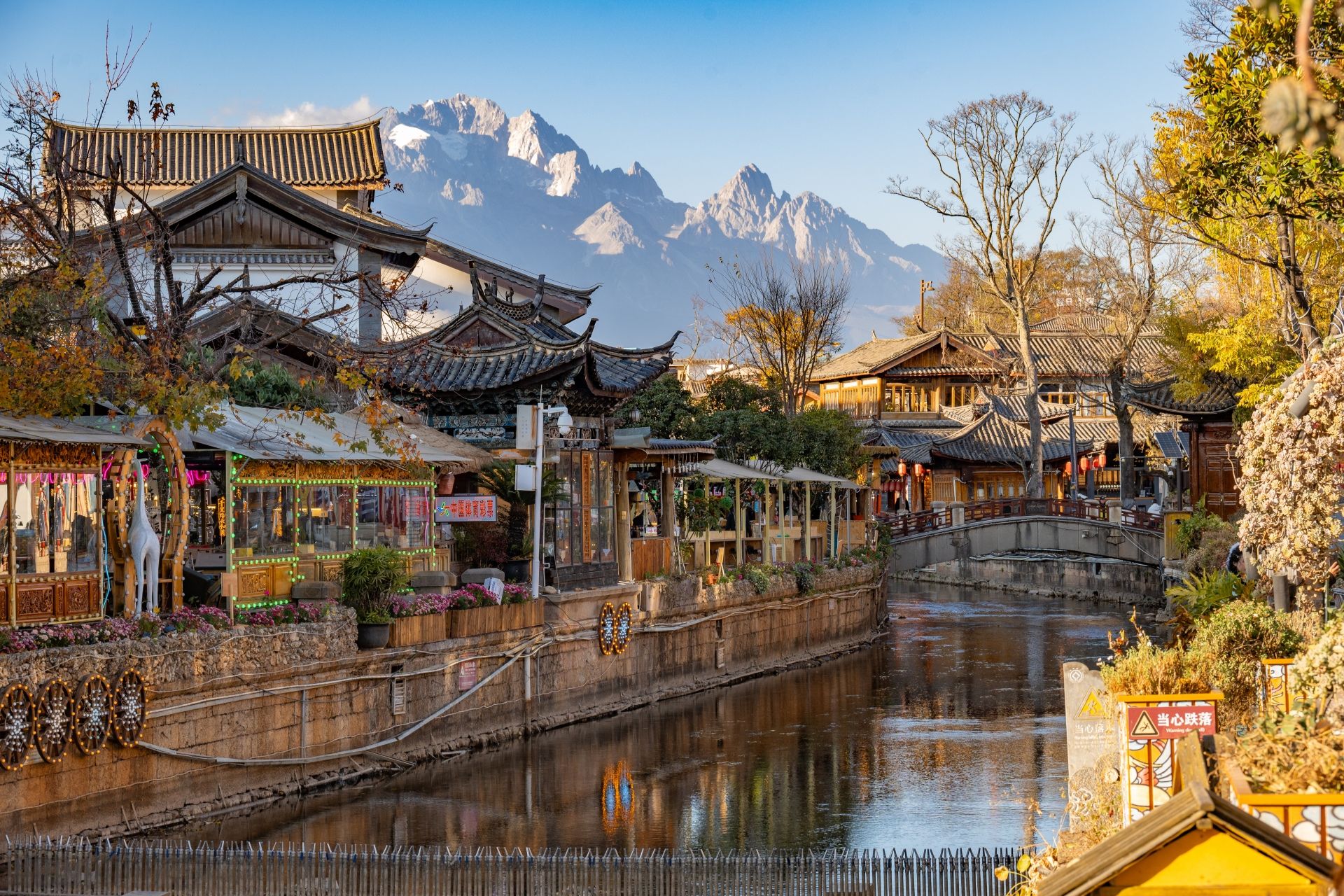
Winter Tales of Hangzhou & Lijiang
- Newly Added
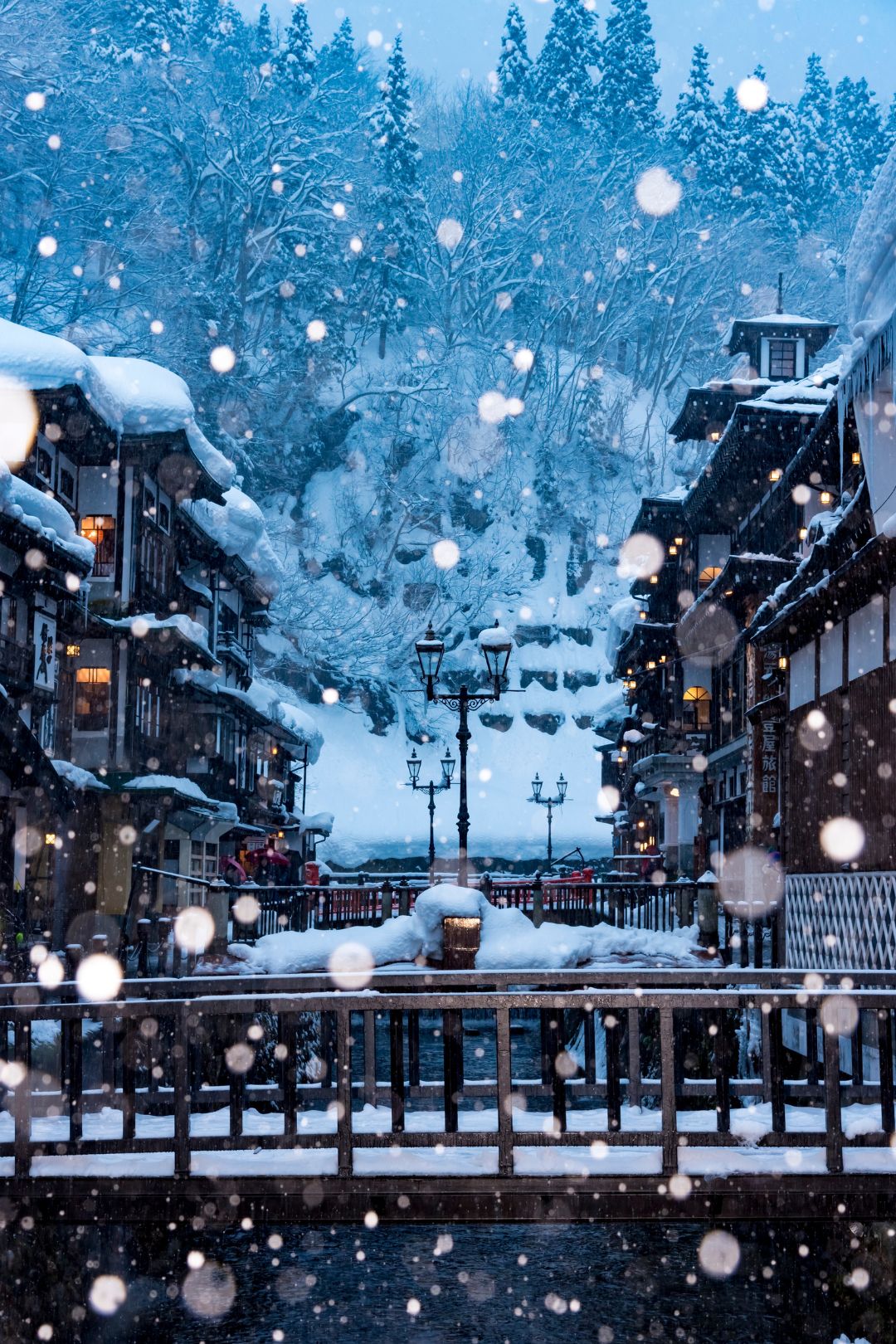
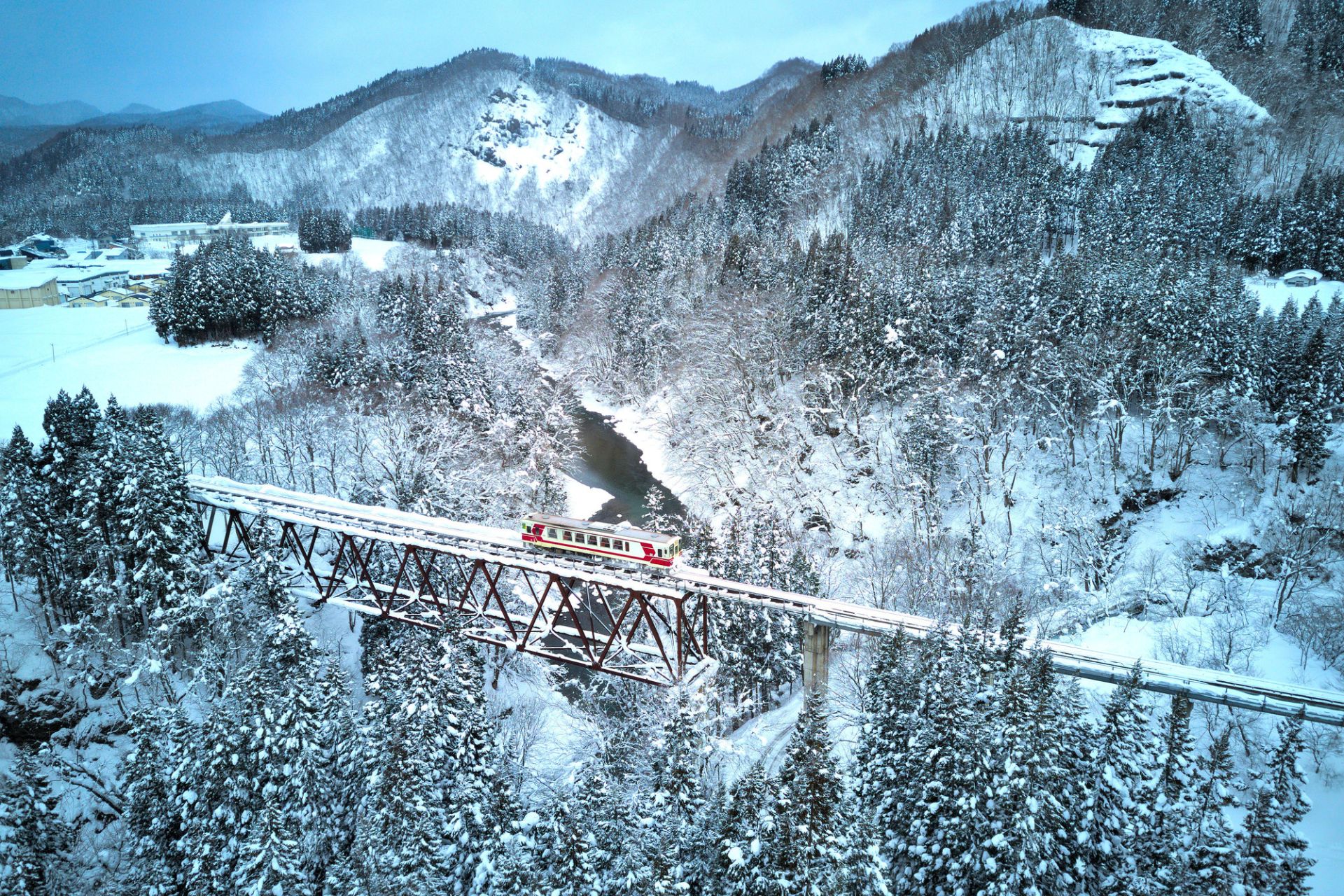
Spirit of Winter in Tohoku
- Newly Added
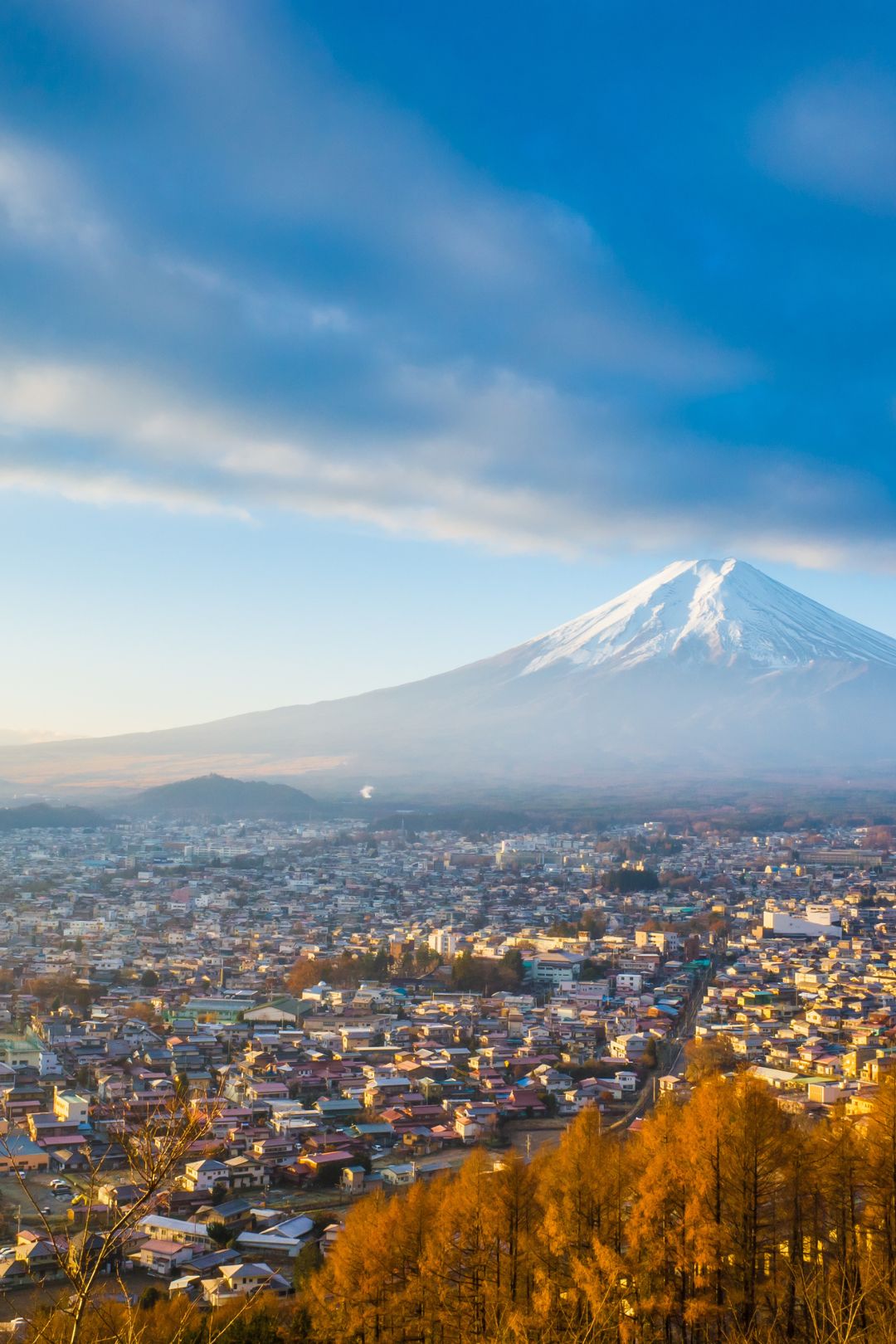
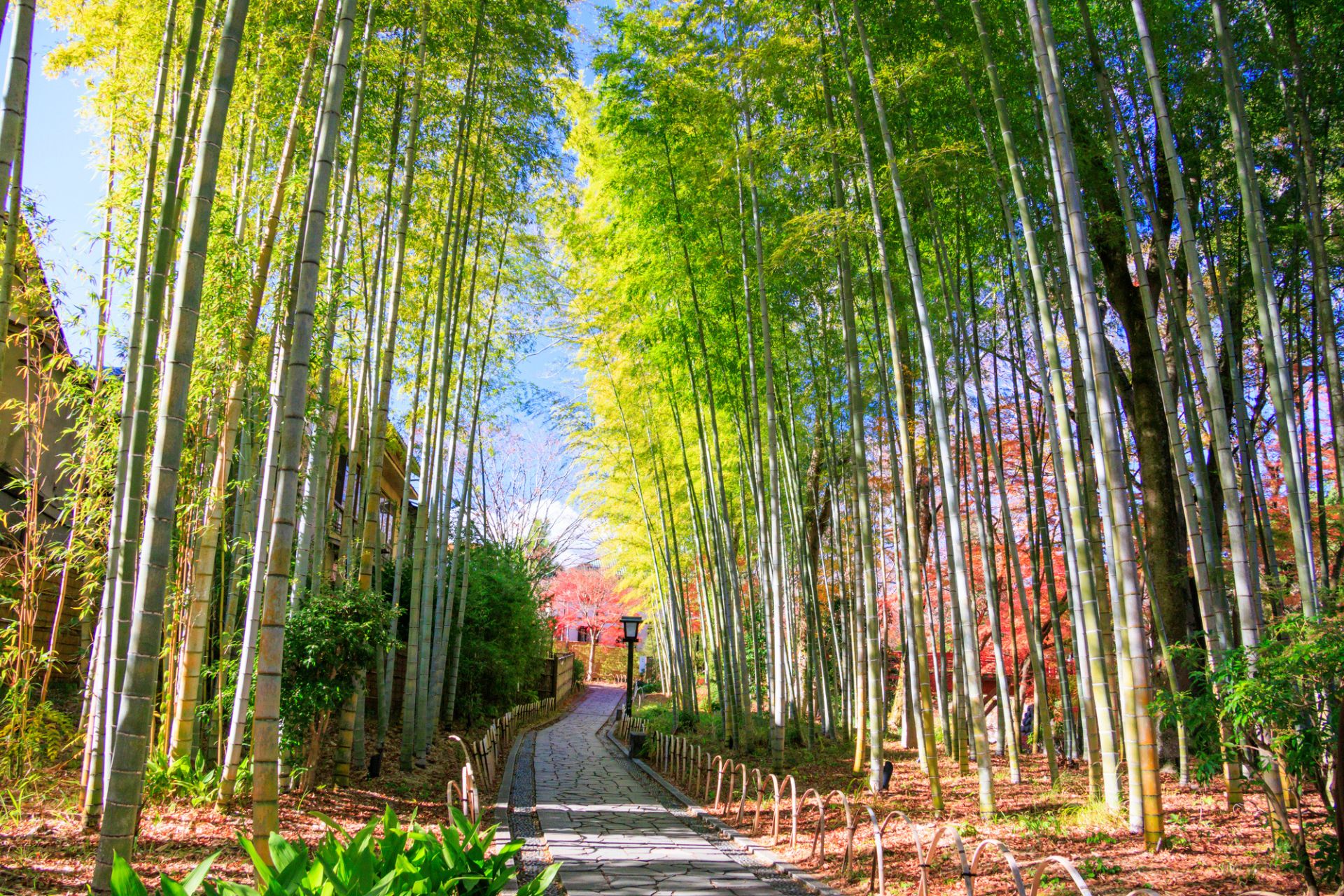
Scenic Drive Around Mt Fuji
- Recommended
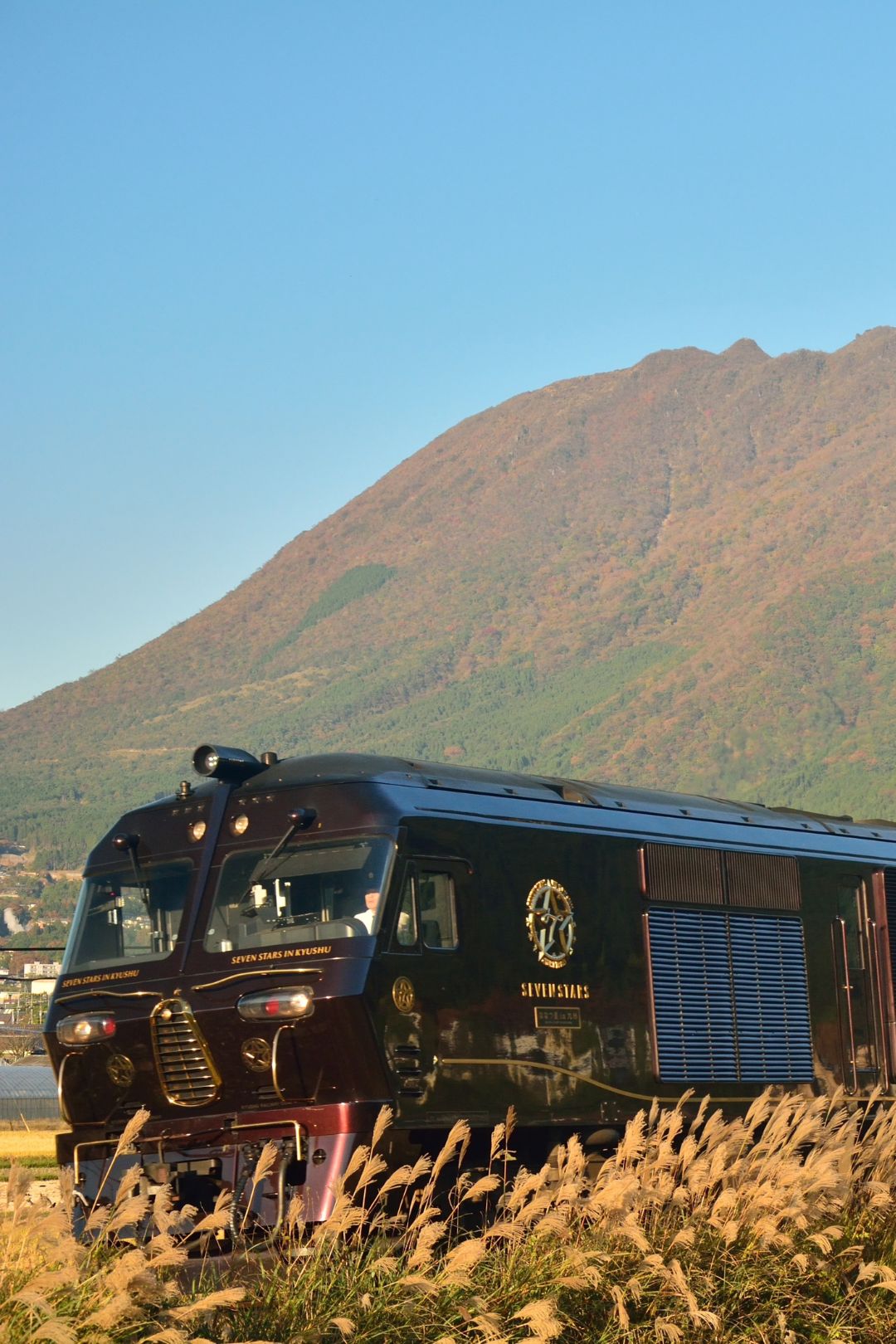
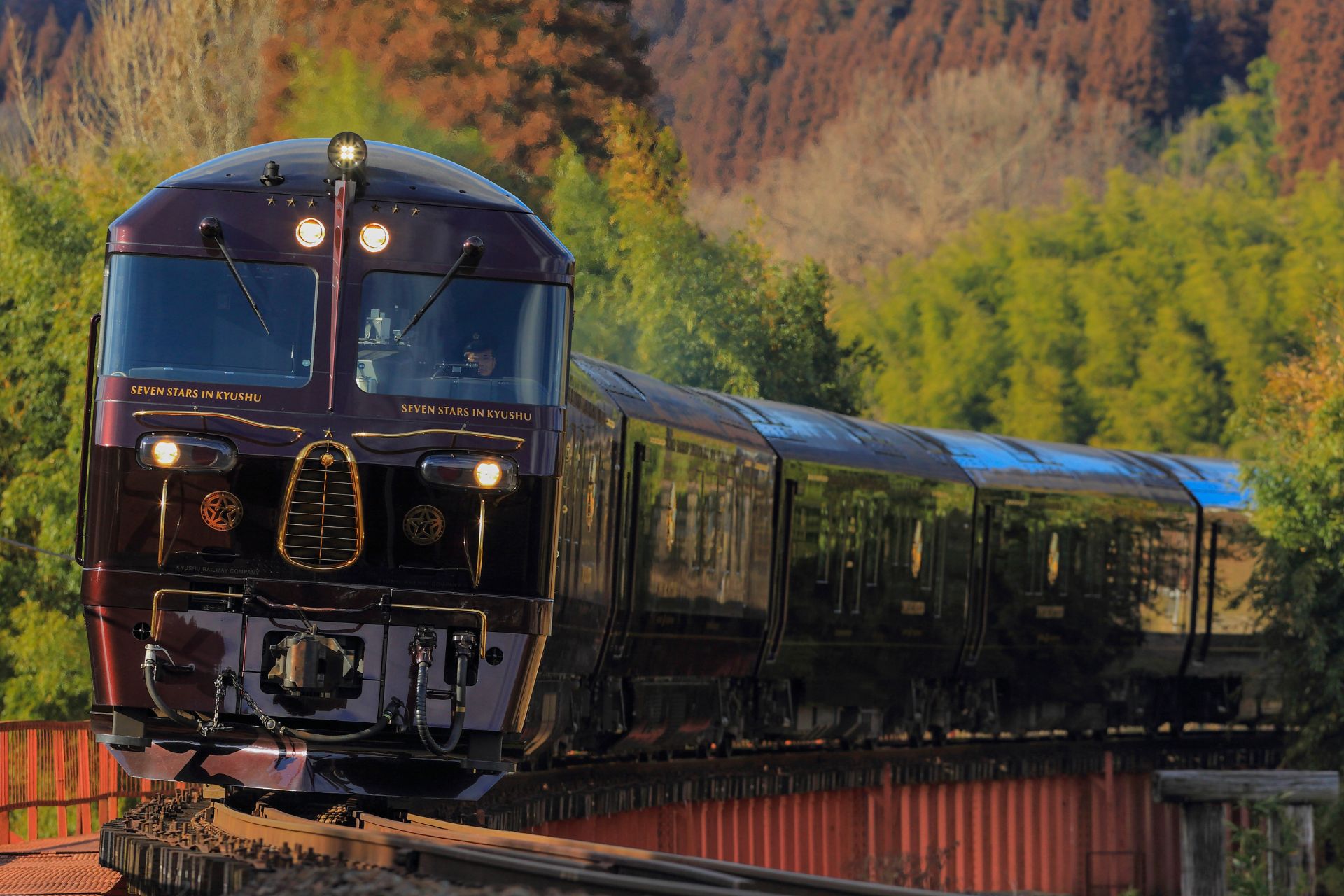
Cruise Train Seven Stars in Kyushu
- Special
FEATURED
Cras sollicitudin libero
enim, eu blandit ante
Proin interdum, magna vitae cursus feugiat, massa quam ultricies leo, sit amet volutpat odio elit finibus lorem. Sed eget turpis nec arcu ullamcorper condimentum. Curabitur a facilisis dui. Mauris ut mi convallis, cursus nunc eget, fringilla orci. Proin ut placerat risus. In cursus sollicitudin nisi nec sa.